
One of Datça's quiet gifts is how long its season runs. Warm sea, gentle light and open tavernas stretch from spring well into autumn, and because the peninsula never truly gets swamped, the choice of month is less about avoiding crowds than about picking the mood you want. Each has its own distinct character.
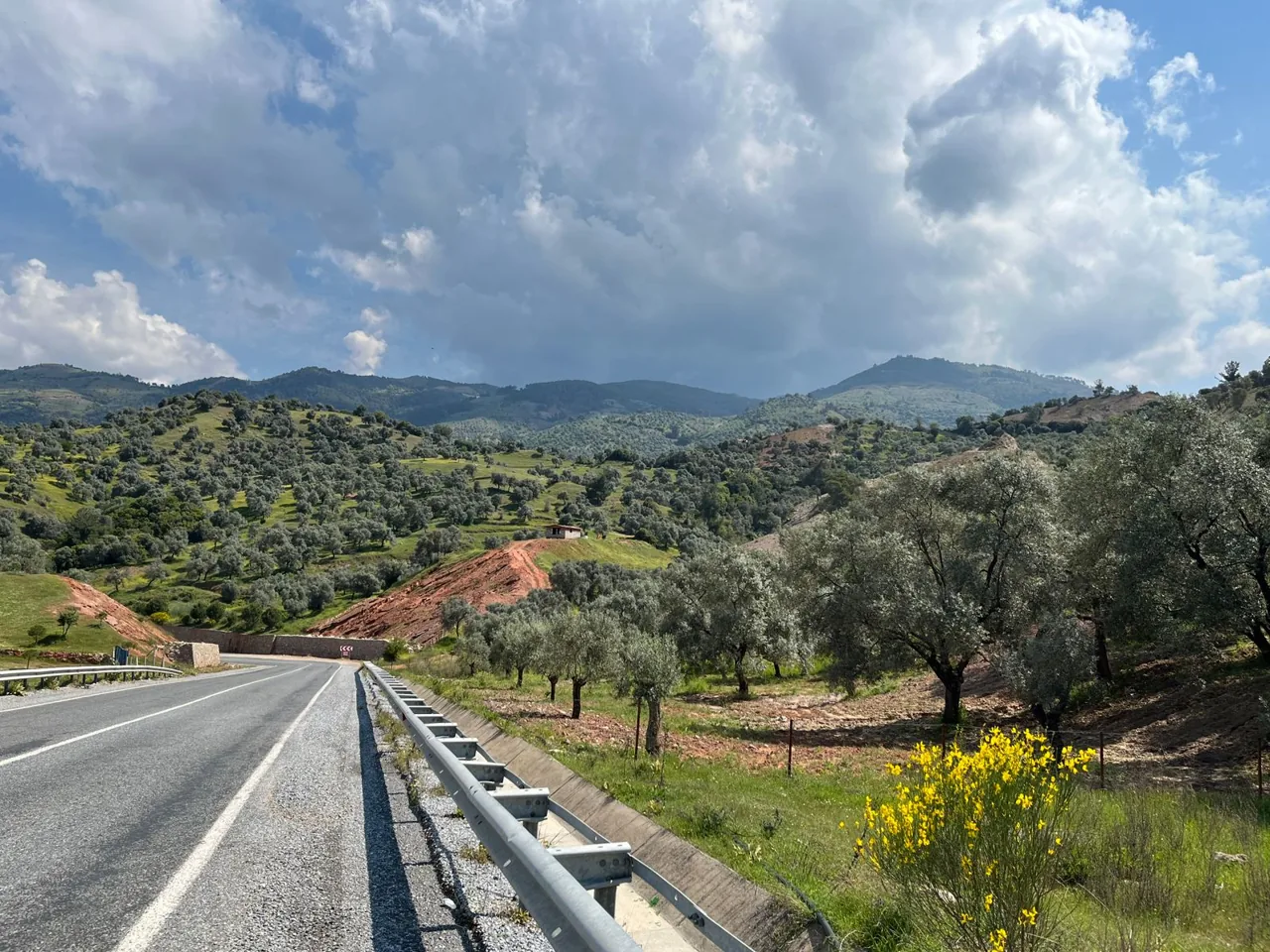
Spring, from April into June, is many regulars' favourite. The hills are green and loud with wildflowers, the almond and citrus scent the air, the sea warms enough to swim by late May, and the villages feel like they belong to the handful of people who came early. Everything is open, nothing is busy, and the light is soft and kind.
High summer, July and August, is hot, bright and at its liveliest — the sea is bath-warm, the harbour hums in the evening, and the north-coast coves fill with families. It is still a world away from the big resorts, but it is the peak, so book well ahead and plan beach days around the cooler ends of the day. This is the summer holiday at full volume, Datça-style.
Autumn, September into October, may be the sweet spot of all. The sea is at its warmest after a long summer, the fierce heat has softened, the crowds have thinned, and the light turns golden and long. Prices ease, tables open up, and the whole peninsula seems to exhale. For a grown-up, unhurried trip, it is hard to better.
Winter is for a different traveller entirely — quiet, green, cool and largely closed, with a small resident life ticking over. Few visitors come, but those who do find an authentic, priced-down Datça and the space to have the walks and the views almost to themselves. For a first visit, though, aim for the long shoulders of spring or autumn: warm enough, quiet enough, and Datça at its most itself.