
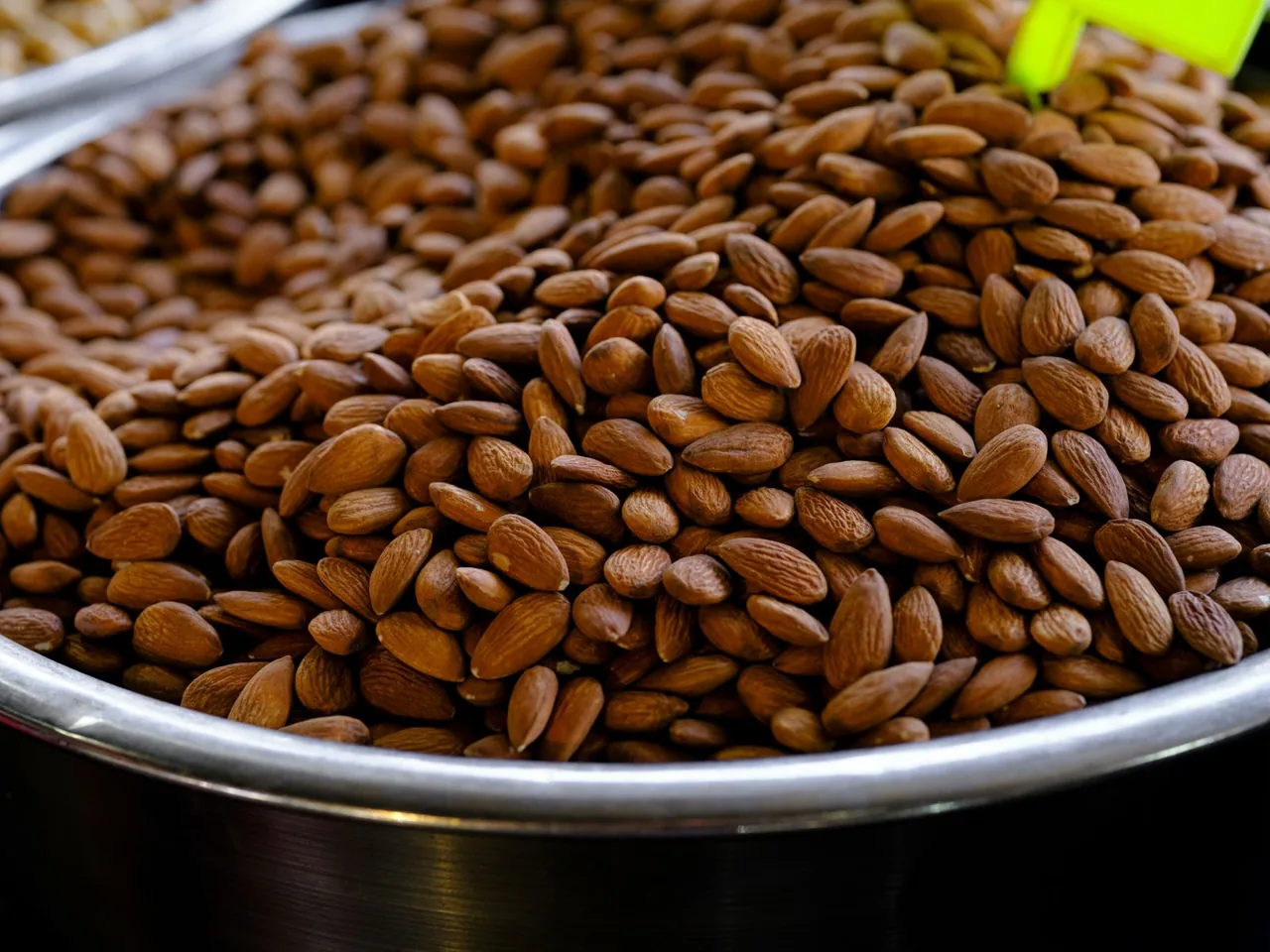
Before tourism, Datça lived on its groves, and it still does in part. Two crops define the local table and fill the market stalls: the almonds the peninsula is genuinely famous for across Turkey, and the olive oil pressed from trees that have stood here for generations. Understanding them is a shortcut to eating — and shopping — well.
The Datça almond is a point of real local pride. Softer, sweeter and more fragrant than the supermarket kind, it turns up everywhere: eaten fresh and green in spring, toasted and salted with drinks, ground into a marzipan-like paste, and folded into biscuits and desserts. A bag from the Saturday market is the easiest, most typical souvenir you can carry home, and far better than anything in the airport.
The olive oil is the other treasure. Green, grassy and gently peppery, the local early-harvest oil is a world away from the bland stuff in most kitchens, and it dresses everything from the morning tomatoes to the evening meze. Buy it where it is pressed if you can, taste before you commit, and bring a tin back — wrapped well, it survives the flight and keeps the holiday alive for months.
The Saturday market in Datça town is where it all comes together. Alongside the almonds and oil you will find village cheeses, wild thyme and sage honey, sun-dried tomatoes, fresh figs and whatever the season is doing. Go early, take cash and small bags, and let the stallholders press samples on you — that is half the fun and all the flavour.
Beyond the pantry, these ingredients explain the cooking. The herb-scented greens, the almond desserts, the oil poured with abandon over everything — the local table is really just the grove and the sea, served simply. Eat your way through a week of it and you will understand Datça better than any guidebook could tell you.